Injection Molding vs Blow Molding: Key Differences in Plastic Manufacturing
Plastic manufacturing uses many different processes to produce products, but injection molding and blow molding are two of the most widely used methods. Both processes are essential for producing plastic parts at scale, yet they serve different purposes and industries.
Understanding the differences between injection molding and blow molding helps manufacturers choose the right process for their products.
What Is Injection Molding?
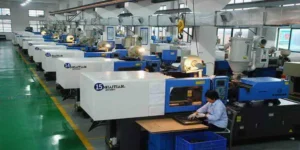
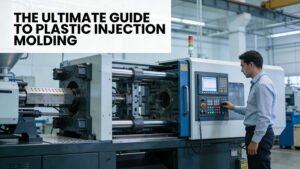
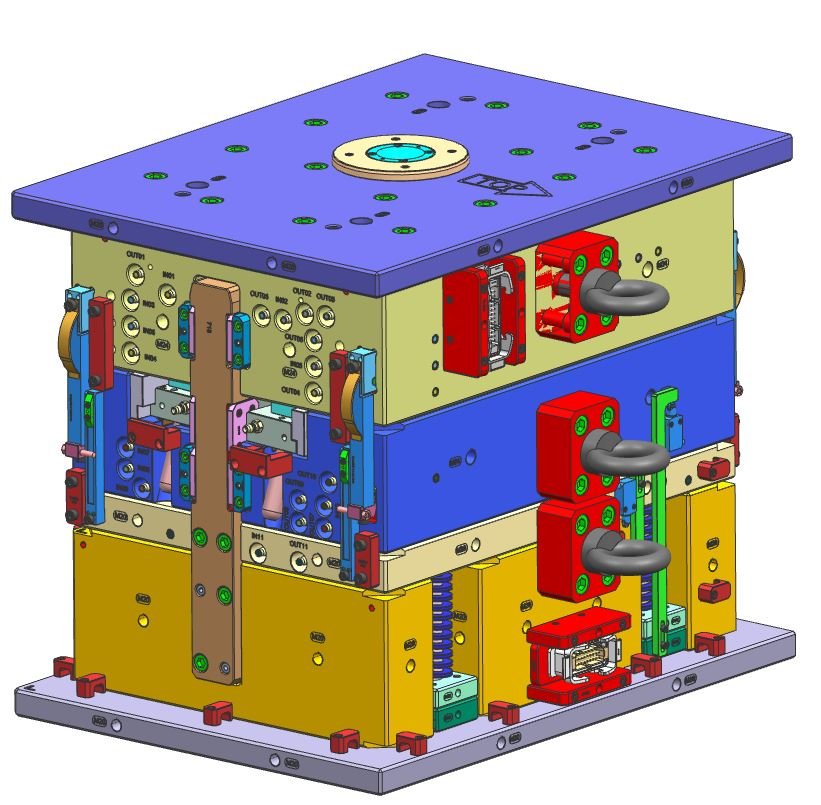
Injection molding is a manufacturing process where molten plastic is injected into a mold cavity. Once the material cools and solidifies, it forms a finished plastic part.
The process is widely used for high-precision plastic components and mass production.
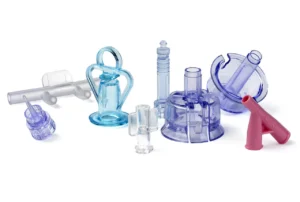
Common products made by injection molding include:
-
Electronic housings
-
Automotive parts
-
Medical devices
-
Consumer products
Injection molding is known for high accuracy, excellent repeatability, and complex design capability.
What Is Blow Molding?
Blow molding is a manufacturing process used to create hollow plastic parts, such as bottles and containers.
In this process:
-
A heated plastic tube (parison) is created.
-
Air is blown into the tube inside a mold.
-
The plastic expands to take the shape of the mold.
This process is mainly used for producing:
-
Water bottles
-
Cosmetic containers
-
Fuel tanks
-
Packaging containers
Blow molding is ideal for hollow plastic products with thin walls.
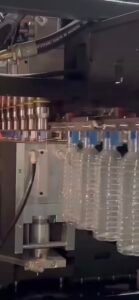
Key Differences Between Injection Molding and Blow Molding
| Feature | Injection Molding | Blow Molding |
|---|---|---|
| Product Type | Solid plastic parts | Hollow plastic products |
| Production Method | Molten plastic injected into mold | Air expands plastic into mold |
| Common Products | Electronics, automotive parts | Bottles, containers |
| Mold Complexity | High precision molds | Simpler molds |
| Design Capability | Complex structures | Simple hollow shapes |
Which Process Should You Choose?
Choosing between injection molding and blow molding depends on the type of product you want to manufacture.
Use injection molding if you need:
-
Complex plastic components
-
High precision parts
-
Large production volumes
Use blow molding if you need:
-
Hollow containers
-
Bottles or packaging products
-
Lightweight plastic vessels
Conclusion
Injection molding and blow molding are both essential plastic manufacturing technologies. Injection molding is best for solid, complex plastic parts, while blow molding is ideal for hollow products such as bottles and containers.
Choosing the right process can significantly reduce manufacturing costs and improve product quality.