Plastic Injection Molding: The Complete Guide for Manufacturing High-Quality Plastic Parts
Plastic injection molding is one of the most widely used manufacturing processes for producing high-precision plastic parts. It allows manufacturers to produce complex components with excellent consistency, durability, and cost efficiency.
Today, industries such as automotive, electronics, medical devices, and consumer products rely heavily on injection molding technology to manufacture millions of plastic components every day.
In this article, we will explain what plastic injection molding is, how the process works, its advantages, and its applications across industries.
What Is Plastic Injection Molding?
Plastic injection molding is a manufacturing process that involves injecting molten plastic material into a custom mold cavity. Once the plastic cools and solidifies, it forms a finished plastic part with precise dimensions and surface quality.
The process is ideal for mass production of plastic parts, especially when high accuracy and repeatability are required.
Typical plastic materials used include:
-
ABS
-
PP (Polypropylene)
-
PC (Polycarbonate)
-
Nylon
-
PVC
-
PET
These materials can be molded into complex shapes with tight tolerances.
How Does the Injection Molding Process Work?
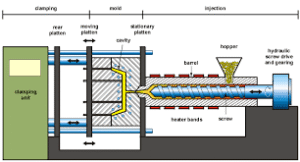
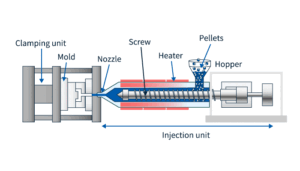
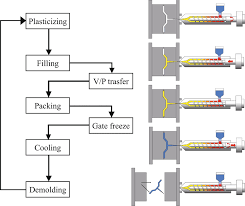
The plastic injection molding process consists of several key stages.
1. Material Feeding
Plastic pellets are fed into the hopper of the injection molding machine. The material then enters the heated barrel.
2. Plastic Melting
Inside the barrel, heaters and a rotating screw melt the plastic pellets into molten plastic.
3. Injection
The molten plastic is injected under high pressure into the mold cavity.
4. Cooling
The plastic cools and solidifies inside the mold, forming the final shape.
5. Ejection
After cooling, the mold opens and the finished plastic part is ejected from the mold.
This entire cycle usually takes 10–60 seconds, depending on the product size and material.
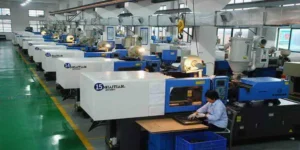
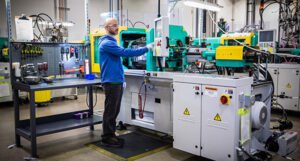
Injection molding machines heat plastic and inject it into a mold cavity where it cools and solidifies into the final product.
Key Components of an Injection Molding Machine
An injection molding system typically includes the following major components:
Injection Unit
Responsible for melting plastic and injecting it into the mold.
Clamping Unit
Holds the mold closed during injection and opens it for part removal.
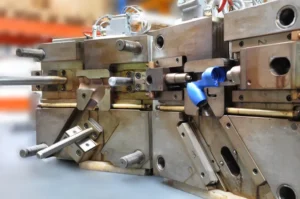
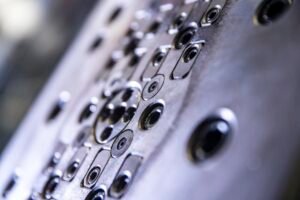
Mold (Tooling)
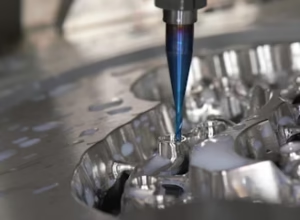
The mold determines the final shape and design of the plastic product.
Control System
Modern machines use advanced automation systems to control pressure, temperature, and injection speed.
Advantages of Plastic Injection Molding
Plastic injection molding offers many advantages compared with other manufacturing processes.
High Production Efficiency
Once the mold is created, thousands or even millions of parts can be produced quickly.
Excellent Precision
Injection molding produces parts with tight tolerances and consistent quality.
Complex Designs
The process allows complex geometries that would be difficult with other methods.
Wide Material Selection
A wide range of engineering plastics can be used for different applications.
Low Unit Cost for Mass Production
Although mold development costs can be high, the unit cost becomes very low for large production volumes.
Common Applications of Injection Molded Parts
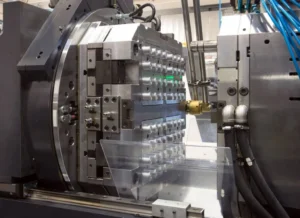
Plastic injection molding is used in many industries worldwide.
Automotive Industry
-
Interior components
-
Dashboard parts
-
Connectors
-
Lighting housings
Consumer Electronics
-
Phone housings
-
Laptop components
-
Smart home devices
Medical Devices
-
Syringes
-
Medical housings
-
Disposable medical tools
Household Products
-
Storage containers
-
Kitchen appliances
-
Plastic tools
Because of its precision and scalability, injection molding is one of the most important manufacturing technologies in modern industry.
How to Choose a Reliable Injection Mold Manufacturer
When selecting a plastic injection mold manufacturer, consider the following factors:
-
Mold design capability
-
Engineering experience
-
Quality control system
-
Production capacity
-
Export experience
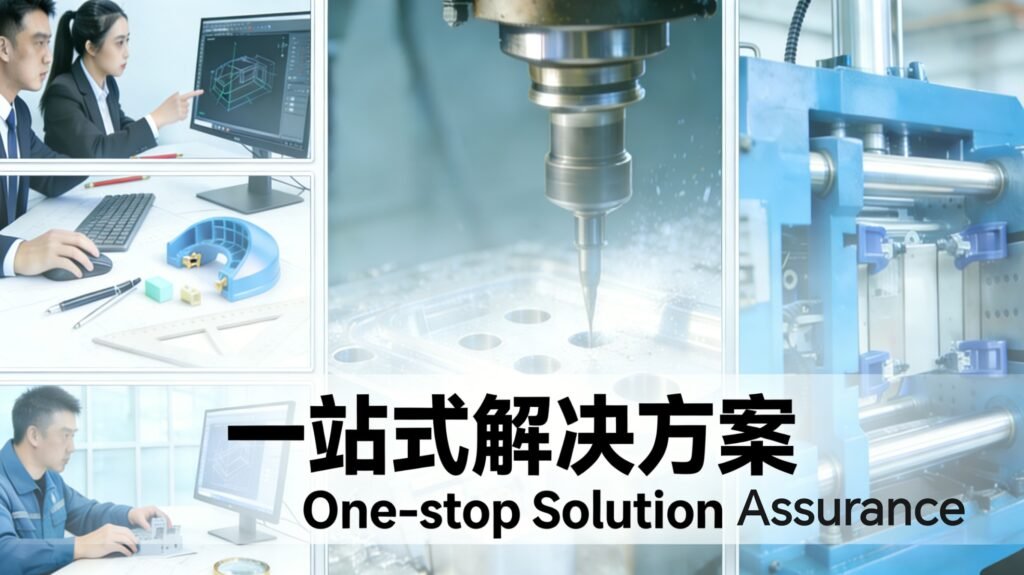
A professional manufacturer should provide services such as:
-
Mold design (DFM analysis)
-
Mold manufacturing
-
Plastic injection production
-
Product assembly
-
Quality inspection
Conclusion
Plastic injection molding is a highly efficient and precise manufacturing process for producing plastic components in large quantities. With advanced mold design, automated machines, and high-quality materials, manufacturers can produce complex plastic parts that meet strict industrial standards.
Whether you need custom plastic molds or large-scale plastic parts production, injection molding remains the most reliable solution for modern manufacturing.