Plastic Injection Mold Manufacturing Process
Plastic Injection Mold Manufacturing Process: Step-by-Step Guide
Injection molds are precision tools used to produce millions of plastic parts across industries such as automotive, electronics, medical devices, and consumer products.
Understanding the plastic injection mold manufacturing process helps businesses choose reliable suppliers and ensure consistent product quality.
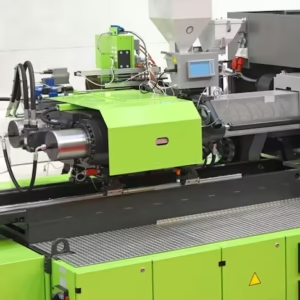
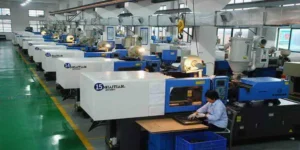
Injection Molding Machine and Process
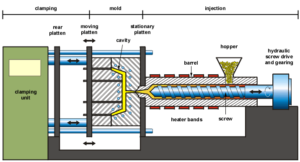
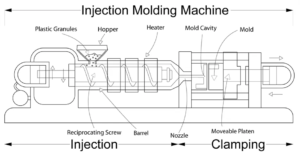
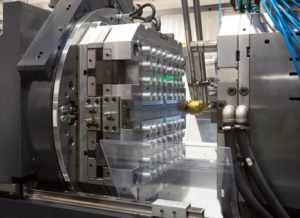
In the injection molding process, plastic pellets are melted and injected into a mold cavity under high pressure. After cooling and solidification, the mold opens and the finished part is ejected.
The process generally includes several stages:
-
Plastic melting
-
Injection filling
-
Packing pressure
-
Cooling
-
Part ejection
Injection molding allows manufacturers to produce complex plastic parts with high precision and repeatability.
Step 1: Product Design and DFM Analysis
The first stage of mold manufacturing is product design.
Engineers evaluate:
-
3D CAD models
-
wall thickness
-
draft angles
-
material selection
-
gate location
A DFM report identifies potential design problems before mold production begins.
Step 2: Mold Design
After the product design is approved, engineers begin mold design.
This includes designing:
-
Mold base
-
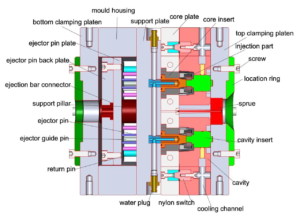
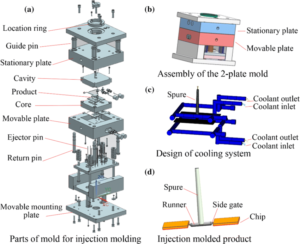
Core and cavity
-
Cooling channels
-
Runner system
-
Ejection mechanism
Moldflow simulation software is often used to analyze plastic flow and prevent defects.
Step 3: Mold Steel Selection
Choosing the correct mold steel is essential for durability and product quality.
Common mold steels include:
| Steel Type | Application |
|---|---|
| P20 | Medium production molds |
| H13 | High temperature molds |
| S136 | High precision molds |
| NAK80 | High polish molds |
Steel selection depends on production volume and part requirements.
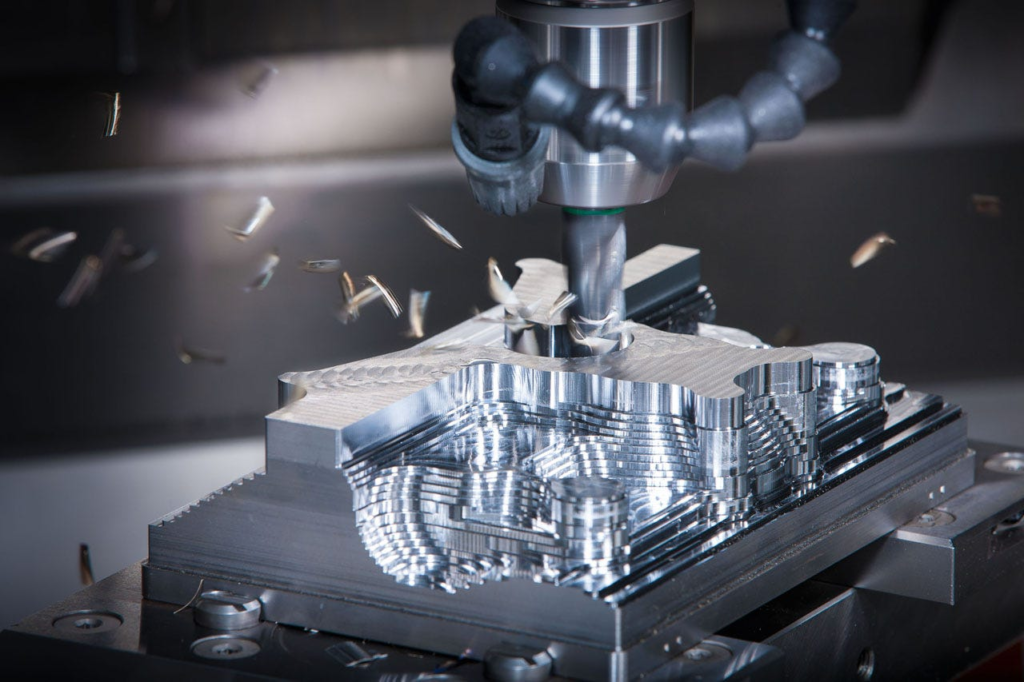
Step 4: CNC Machining
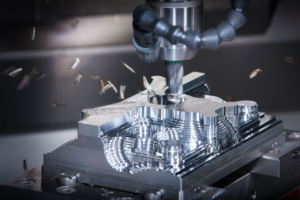
CNC machining is used to produce mold components with high precision.
Key machining technologies include:
-
CNC milling
-
EDM (Electrical Discharge Machining)
-
Wire cutting
-
Grinding
Modern CNC equipment ensures accurate dimensions and high surface quality.
Step 5: Mold Assembly
After machining, mold components are assembled together.
Main components include:
-
cavity insert
-
core insert
-
ejector pins
-
guide pins
-
cooling system
Precise assembly ensures smooth mold operation during injection molding.
Step 6: Mold Trial (T1 Testing)
Before mass production, the mold undergoes trial injection testing.
Engineers evaluate:
-
product dimensions
-
surface quality
-
injection pressure
-
cycle time
Any issues found during testing will be corrected through mold adjustments.
Step 7: Mass Production
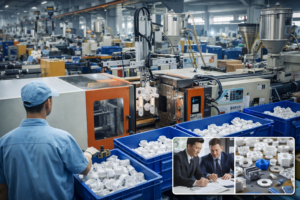
Once the mold passes all inspections, it is ready for production.
A high-quality injection mold can produce:
-
tens of thousands
-
hundreds of thousands
-
or even millions of plastic parts
depending on the mold steel and maintenance conditions.
Conclusion
The plastic injection mold manufacturing process involves multiple precise stages, from product design and mold design to CNC machining, assembly, and testing.
By partnering with an experienced mold manufacturer, companies can achieve:
-
consistent product quality
-
efficient production cycles
-
reduced manufacturing costs
Injection molding remains one of the most reliable and scalable manufacturing methods for producing high-precision plastic components.