Top 7 Common Injection Molding Defects and How to Avoid Them
Introduction
Even with advanced equipment, injection molding defects can occur if design or processing parameters are not optimized. Understanding common issues helps buyers prevent delays and reduce production costs.
Here are the most common plastic injection molding defects and how professional manufacturers prevent them.
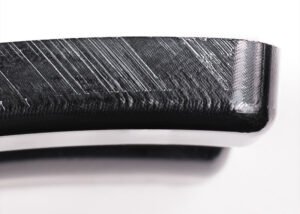
1. Sink Marks
Cause: Uneven cooling or thick wall sections.
Solution: Optimize wall thickness and improve cooling design.
2. Warpage
Cause: Uneven shrinkage during cooling.
Solution: Balanced mold temperature and proper material selection.
3. Short Shots
Cause: Insufficient injection pressure or poor flow design.
Solution: Adjust gate design and injection parameters.
4. Flash
Cause: Excess plastic escaping mold gaps.
Solution: Precision mold manufacturing and proper clamping force.
5. Weld Lines
Cause: Flow fronts meeting at low temperature.
Solution: Improve mold flow analysis during design stage.
6. Air Traps
Cause: Poor venting system.
Solution: Add optimized vent channels.
7. Burn Marks
Cause: Trapped air overheating.
Solution: Enhance ventilation and adjust injection speed.
Why Experienced Manufacturers Matter
Professional injection molding suppliers use:
-
DFM analysis
-
Mold flow simulation
-
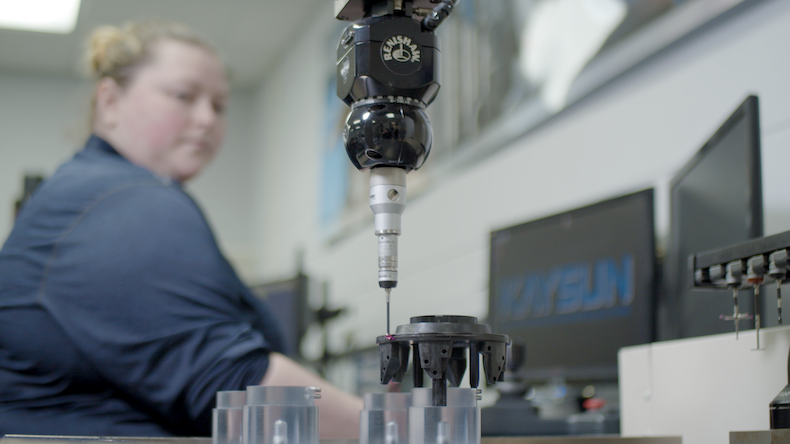
Strict quality inspection
-
Process optimization
These steps prevent defects before mass production begins.
Conclusion
Most injection molding problems originate from design or tooling issues rather than materials. Choosing an experienced partner ensures consistent product quality and faster project delivery.